Commercial Cellular DAS & Public Safety Coverage
Poor indoor coverage creates real problems in commercial buildings when calls drop, staff lose signal in key areas, and when tenants and guests get frustrated. Public safety radio requirements can also put pressure on inspections, timelines, and occupancy.
Decypher helps commercial property owners, operators, developers, and project teams decide what their building needs. In some cases, the issue is everyday cellular coverage. In others, it is public safety radio coverage. Some buildings need both. We assess the property, define the scope, and help move the project forward with a practical, engineered plan.
Trusted by organizations that need dependable IT support, stronger cybersecurity, and a technology partner that can scale with them.









Indoor Coverage Problems in Commercial Buildings
Coverage problems can show up in stairwells, garages, lower levels, back-of-house areas, mechanical spaces, interior offices, patient areas, and other parts of the building where signal has a harder time getting through.
Concrete, steel, low-emissivity glass, underground areas, and larger floorplates can all weaken or block coverage. That affects daily cellular use, but it can also create a more serious issue when emergency responder communication is part of the picture.
Common Problem Areas
- Stairwells
- Lower levels
- Parking garages
- Mechanical and utility spaces
- Back-of-house areas
- Large interior rooms
- Areas far from exterior signal
What poor cellular coverage affects
- Voice calls
- Text messaging
- Mobile data
- Staff workflows
- Tenant and guest experience
- Emergency communications

Do You Need Commercial DAS, Public Safety Coverage, or Both?
Some buildings need better cell service for staff, tenants, patients, or guests. Others need to support emergency responder radio communications to meet local requirements. Some need both.
If you are not sure where your building stands, start with an RF assessment. It gives you a clearer view of the problem before delays, rework, or inspection issues make it more expensive to fix.
Not sure what’s causing the dead zones? Start with a proper diagnosis.
Commercial Cellular DAS
Built to improve indoor cell service for staff, tenants, guests, patients, and visitors.
Public Safety Radio Coverage / ERRCS
Some Buildings Need Both
Commercial Cellular DAS For Offices, Healthcare, Hospitality, And Mixed-Use Properties
Commercial cellular DAS improves indoor cell coverage so people can place calls, send texts, and use mobile data more reliably throughout the building.
This is often the right fit for office buildings, healthcare facilities, hospitality properties, mixed-use developments, campuses, parking structures, and other commercial environments where poor cellular service affects operations, occupant experience, or both.
What Commercial Cellular DAS Helps Solve
- Dropped calls and weak indoor signal
- Frustration for staff, tenants, guests, and visitors
- Poor coverage in hard-to-reach areas such as stairwells, lower levels, and garages
- Day-to-day disruptions in buildings where people rely on their phones to work
What Decypher assesses before design
We look at where signal is failing, which areas matter most, what source options are realistic, and whether the problem is limited to weak coverage or points to broader building conditions that need a more engineered solution.
What Decypher Delivers
- RF assessment and site review
- Coverage analysis and recommendations
- System design, installation, and commissioning
- Coordination with carriers when needed
- Ongoing support after the system goes live
Public Safety Radio Coverage and ERRCS Support
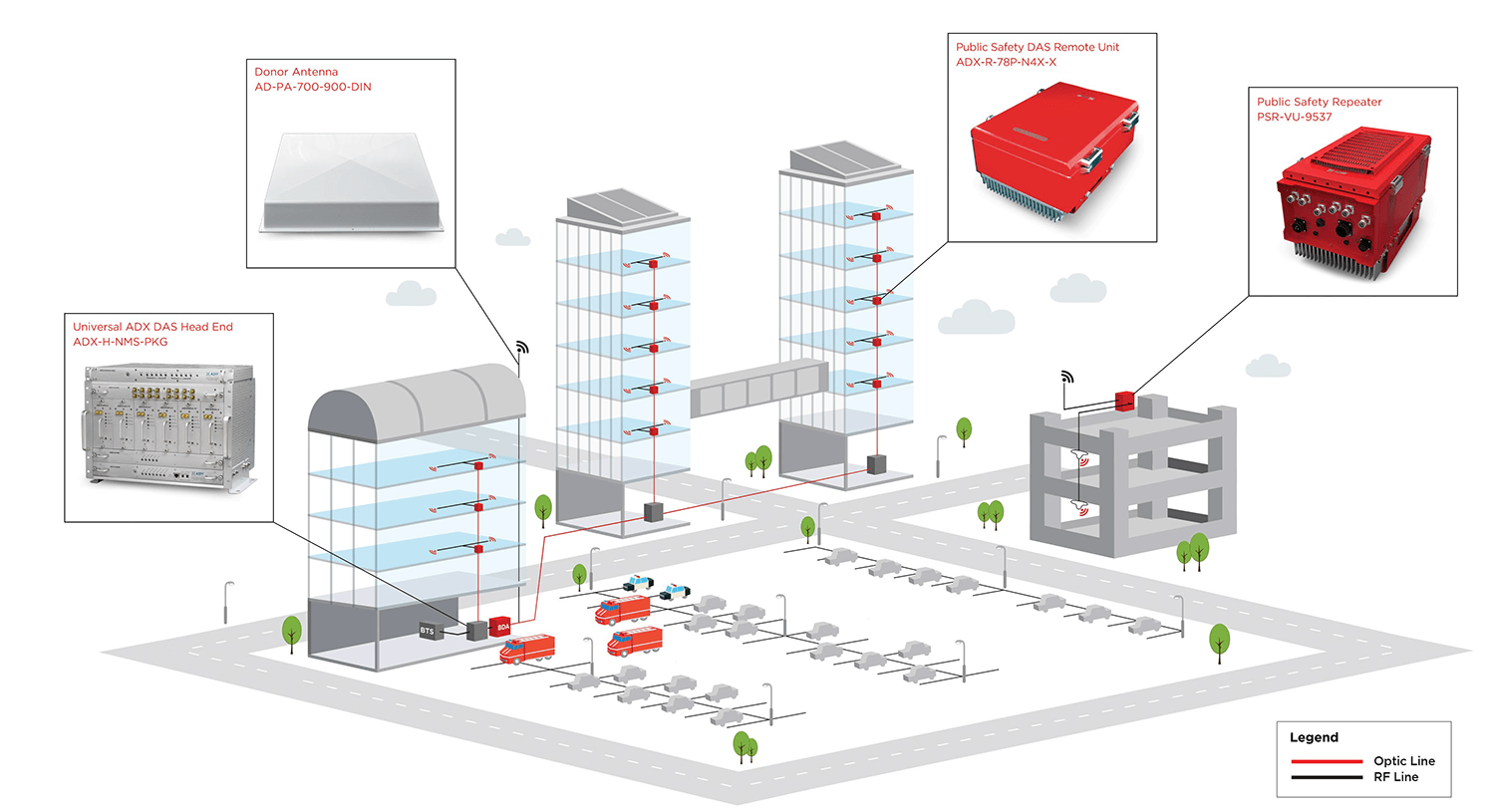
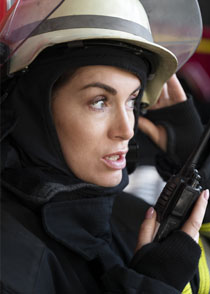
Public safety radio coverage is different from everyday cellular service. This is about helping emergency responders communicate inside the building when local requirements call for it.
Depending on the property, jurisdiction, and test results, a building may need an emergency responder radio system to support inspection and project requirements. That conversation is much easier when it starts early.
Need a deeper explainer?
Why Public Safety Coverage Matters
- First responders need reliable radio communication inside the building
- Coverage gaps can create problems during testing, inspection, and turnover
- The later these issues are found, the harder they are to fix
What Decypher Evaluates
What Decypher Supports
- Signal assessment and coverage review
- Coordination with the building team and relevant authorities
- System design, installation, and commissioning
- Documentation support and ongoing service after go-live
Start Public Safety Planning Early
Public safety coverage issues are harder to solve when they are discovered late. They can lead to failed inspections, redesigns, added cost, and schedule pressure.
A better approach is to evaluate the building early, determine whether public safety coverage is part of the scope, and move forward with a realistic plan.
Some Buildings Need Both
Comparison module
Commercial Cellular DAS
Improves indoor cell service for staff, tenants, patients, guests, and visitors.
Public Safety Radio Coverage
Supports emergency responder communication inside the building when required.
Some buildings need both
A commercial property can need strong day-to-day cellular coverage and public safety radio coverage at the same time.
How Decypher Plans, Installs, and Supports DAS Projects
building
the need
We determine whether the building needs commercial cellular coverage, public safety radio coverage, or both.
commission
Commercial Environments We Support
We support commercial properties where indoor coverage affects operations, safety, occupant experience, or project readiness.
-
Healthcare facilities
-
Hospitality properties
-
Office buildings
-
Mixed-use developments
-
Commercial real estate portfolios
-
Parking structures and other hard-to-cover spaces
-
Large multi-building properties and campuses
-
Other commercial environments with complex indoor coverage challenges
Why Commercial Building Teams Choose Decypher
These projects need more than equipment. They need a team that can understand the building, identify the problem, recommend the right solution, and stay involved through installation, testing, and support.
Decypher brings that kind of experience to commercial projects across the country.
Where Decypher adds value
Commercial DAS Project Example:
Valley View Hospital
Challenge
Valley View Hospital was dealing with a cellular and public safety system that had design and commissioning problems and was missing needed approvals. For a healthcare environment, that is not a small issue. Coverage, coordination, and project confidence all suffer when the system is not performing the way it should.
What Decypher did
Decypher stepped in to evaluate the existing system, redesign the approach, and implement the changes needed to improve performance. That work included coordination around the project requirements and modernization of the system to support updated carrier sources and FirstNet functionality.
Why this matters
This kind of project shows the difference between simply installing equipment and actually solving a building-wide coverage problem. Decypher can help with new deployments, but we can also step into a project that is underperforming, identify what is wrong, and help move it toward a more reliable result.
Commercial DAS & Public Safety Resources
01
The Superiority of Dedicated In-Building Cellular Amplification Over Wi-Fi Calling
02

Improving Cell Service in a Building
03
Emergency Responder Radio System
04

How Much Does it Cost to Install a DAS system?